
Benign Skin Lesion Removal
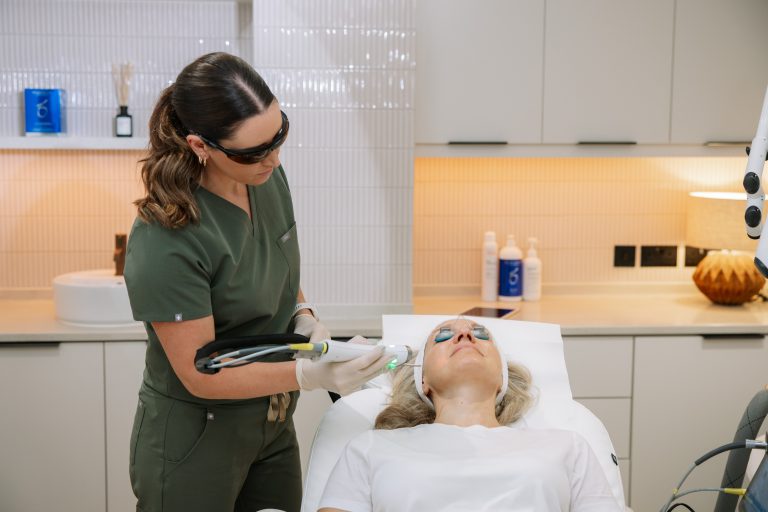
Laser treatment for benign skin lesion removal that precisely targets and removes unwanted benign lesions, such as seborrhoeic keratoses and skin tags, with minimal impact on surrounding skin and a focus on achieving a clear, smooth skin surface.

TREATMENT TIME
Approx. 20+ minutes, varies on the lesion being treated

DISCOMFORT LEVEL
Minimal discomfort

SOCIAL DOWNTIME
Scabbing and crusting like a small wound for 1-2 weeks, redness for approx 2-4 weeks

RECOMMENDED COURSE
Minimum 1 session, can need more depending on location of the lesion and what is being treated
TREATMENT TIME
approx 20+ minutes
varies on the lesion being treated
DISCOMFORT LEVEL
Minimal discomfort
SOCIAL DOWNTIME
scabbing and crusting like a small wound for 1-2 weeks, redness for approx 2-4 weeks.
RECOMMENDED COURSE
minimum 1 session, can need more depending on location of the lesion and what is being treated.
How does it work?
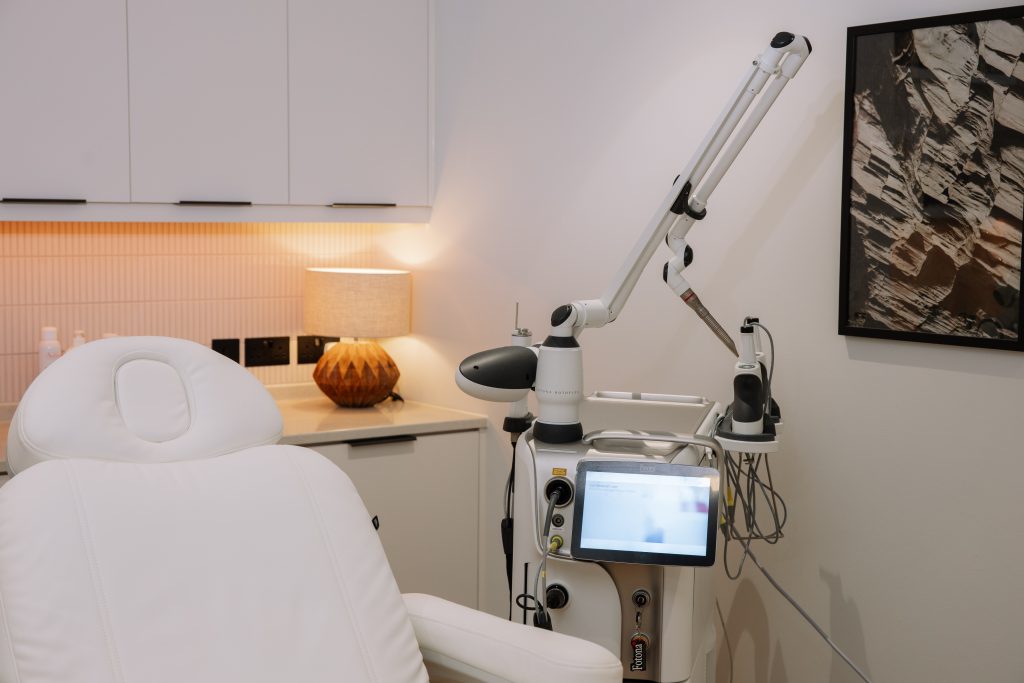
The Fotona benign lesion removal treatment is able to remove specific lesions in a controlled manner with minimal discomfort. Using Fotona Dynamis MAX’s advanced 2940nm Er:YAG laser technology, unwanted benign skin lesions are precisely removed through controlled laser ablation. The laser gently vaporises targeted tissue in fine layers, minimising thermal damage to the surrounding skin and allowing the treated area to heal naturally.
Key benefits
- Precision removal
- Minimal thermal damage
- Controlled treatment depth
- Improves texture
- Non-invasive and minimal downtime
Our Approach
At KINS, we have a unique approach to guide you on the best treatment options and protocols that work for your skin and your lifestyle. We analyse your skin in layers, we educate you on your skin type and how it will age and we put a long term plan in place for you that gives consistent results.

FAQs
What does Fotona do?
Fotona Dynamis MAX uses a 2940nm Er:YAG laser to precisely remove unwanted benign skin lesions through controlled laser ablation. The laser energy is absorbed by water within the skin tissue, causing the targeted area to vaporise in very fine layers. This allows unwanted tissue to be removed with precision while minimising thermal damage to the surrounding skin.
Ideal candidate?
The treatment is suitable for individuals with unwanted, medically assessed benign skin lesions, such as seborrhoeic keratoses, certain keratoses and selected raised skin lesions. It is particularly suited to patients looking to remove benign lesions for cosmetic or comfort reasons.
A consultation is essential to assess the lesion and confirm that laser removal is appropriate. Suspicious or undiagnosed lesions must be medically assessed and should not be treated cosmetically.
When will I see results?
The lesion is removed during the treatment itself. Following removal, a small superficial wound or crust will form as the skin begins to heal. Healing time depends on the size, depth and location of the lesion, but typically takes around 1–3 weeks for superficial treatments. The final appearance continues to improve as the skin remodels.
Sometimes a few sessions may be required depending on the area being treated and this will be discussed with you on the day.
Longevity?
Once successfully removed, the treated lesion is generally gone. However, this does not prevent new lesions from developing elsewhere or similar lesions from appearing over time. Some types of lesions may also recur if they extend deeper into the skin.
Maintenance sessions?
There is no routine maintenance schedule for successfully removed lesions. Most patients require only one treatment per lesion, although larger or thicker lesions may occasionally require further treatment. If new lesions develop, they can be assessed individually to determine whether further treatment is appropriate.
Contraindications
There are certain contraindications where benign lesion removal should be avoided or modified. These include:
1. Active Skin Infections or Inflammation: If you have an active infection (e.g., cold sores, bacterial infections) or inflammation (e.g., eczema, psoriasis), you should avoid Fotona laser treatment as it may worsen these conditions.
2. Pregnancy/Breastfeeding: We advise avoiding laser treatments during pregnancy due to the lack of conclusive safety data. Hormones are also still settling down post-partum and can have an impact on your skin.
3. Tanned or Sunburned Skin: Having a tan, sunburn, or any type of skin discoloration (even from tanning products) can increase the risk of complications, as the skin is more sensitive to laser treatments when it’s not in its normal color.
4. Use of Photosensitising Medications: Certain medications, such as those used for acne (e.g., Accutane) or some antibiotics (e.g., tetracyclines), can make your skin more sensitive to laser treatments, increasing the risk of burns or hyperpigmentation. You should avoid treatment if you are taking these types of medications or consult your doctor for specific guidance.
5. History of/active skin Cancer or other Cancer: If you have active skin cancer or a history of it, particularly in the areas being treated, eligibility for treatment will be discussed in clinic.
6.Endocrine disorders (uncontrolled Diabetes): Individuals with uncontrolled diabetes may have slower healing responses, which can make them more susceptible to side effects such as burns or scarring from treatments.
7. Autoimmune Disorders or Photosensitivity Disorders: Conditions like lupus or other autoimmune disorders may make your skin more sensitive to laser, which can increase the risk of adverse effects from Fotona treatments.
8. Recent Chemical Peels or Laser Treatments: If you have recently undergone chemical peels or other laser treatments, your skin may be too sensitive for treatment. It’s advisable to wait a few weeks (as recommended by your provider) before undergoing lesion removal after such treatments.
9.Heart Disease or Pacemaker: In rare cases, people with heart conditions or a pacemaker may need to avoid Fotona treatments, eligibility and options can be discussed in clinic.
10. Disease stimulated by light: this would include solar urticaria or photosensitive epilepsy. Fotona can trigger these conditions. It is our aim to ensure every treatment is carried out safely and adverse reactions are avoided.
11. Connective tissue disorders: People with connective tissue disorders often have skin that is more fragile, thinner, or more prone to injury. The heat generated by Fotona laser could potentially cause burns, irritation, poor healing, or other adverse effects on these sensitive skin types. The heat from the Fotona laser can also trigger the skin’s healing response, leading to further collagen production, which may contribute to the formation or enlargement of keloid scars.
A consultation will be performed prior to any procedures ensuring all treatments are carried out safely.
If you have any concerns regarding your eligibility for a treatment, you can get in touch or come in for a consultation and we can go through the best treatment options for you.
Other Treatments
Effective treatment combinations that enhance your results